THE CRIMEAN TATARS
A Unique Indigenous Community in Ukraine's Past, Present and Future
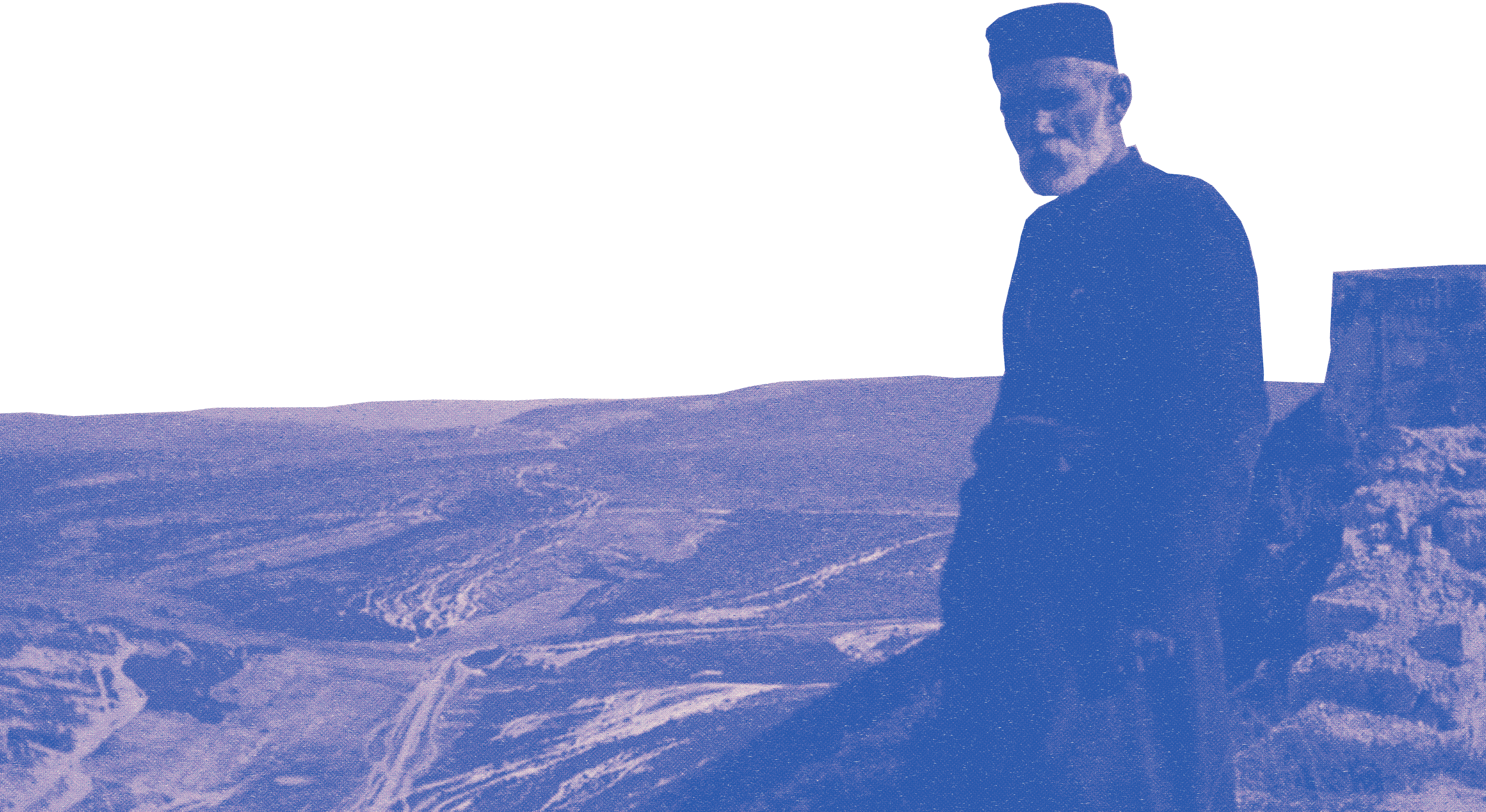
Crimea's complex history is a representation of competing imperial interests, ranging from the Golden Horde to the Soviet Union. Today, the peninsula remains under illegal occupation, having initiated the 2014 military confrontation between Ukraine and Russia, which eventually escalated into the largest European war since World War II. Crimea holds both immense strategic importance, due to its military assets and bases, and profound symbolic value as a historical resort destination dating back to the Russian Empire. Crimean Tatars constitute one of the most distinctive indigenous communities preserved on the Crimean Peninsula.
Their distinctiveness is reflected in their historical continuity, political organisation, and demographic presence. Through their study, we can trace not only the history of Crimea itself but also broader regional power shifts and evolving social sentiments. The Crimean Tatars are a unique, predominantly Muslim people who have maintained their identity despite centuries of Orthodox imperial rule and the atheistic policies of the Soviet Union.
To this day, research on this community remains limited, largely as a result of systematic policies pursued by the Russian Empire and later the Soviet Union that aimed to suppress and erase the nation. This legacy of neglect persisted into the early years of Ukrainian independence, when the significance and distinctiveness of the Crimean Tatars were not yet fully recognised. Consequently, this essay aims to deepen the understanding of the Crimean Tatars by familiarising a wider audience with their history and contemporary situation. To achieve this, I will begin by defining the Crimean Tatar identity, deconstructing the prevailing Russian myths regarding their Golden Horde origins and the alleged 'betrayal' of the Cossacks. The analysis will then examine the two historical occupations of Crimea, with particular attention given to the events of 1944, widely regarded as the darkest chapter in the history of the Crimean Tatars. Subsequently, I will examine the dynamics of Crimean Tatar autonomy within sovereign Ukraine, covering the first 23 years of independence and the period from 2014 to the present. Finally, I will offer reflections on the future of the Crimean Tatars, addressing critical issues that, despite their plausibility in the event of a prolonged Russian occupation, remain overlooked in official state discourse.
CRIMEAN TATARS: IDENTITY AND ORIGINS
The Crimean Tatars (Qırımtatarlar) are the largest of Ukraine's indigenous peoples of Turkic origin, having formed on the Crimean Peninsula and in the Ukrainian steppe, with their own language (Horban 2019/2025). The Crimean Tatar language has experienced a few alphabetical shifts, from Arabic script to Latin, then forcibly under the Soviet Union, to Cyrillic (Beketova 2025). Their language is Turkic, included in the Altai family of languages within the Kipchak-Polovtsian subgroup, and recognised by UNESCO as a language in danger of extinction (United Nations n.d.).
A persistent Russian narrative, emerging under Catherine II, claimed that the Crimean Tatars were merely descendants of the Golden Horde, specifically Tatars from Central Asia. While this interpretation may hold relevance in terms of historical statehood, it fundamentally misrepresents and oversimplifies the distinct ethnic identity of the Crimean Tatar people. Russia constructed this myth to portray the population as non-historical migrants, thereby undermining their indigenous status and territorial rights. However, contemporary scholarship demonstrates that the Crimean Tatar ethnos began forming as early as the 11th century, rooted in the Turkic peoples already present in the region (Bekirova et. al. 2020, 35). Although ancient tribes are not direct relatives of the modern Crimean Tatars, archaeological finds of Cimmerians, Taurians, Scythians, and Huns, along with Greek and Italian settlements, underscore the diversity of Crimean life long before any Mongol arrival (ibid., 17–31). This evidence suggests that while the Golden Horde influenced Crimean statehood, ethnic Crimean Tatars inhabited the peninsula for centuries prior. The term 'Tatar' served as an external label for Eastern nomads rather than a precise ethnic descriptor.
Today, three main sub-ethnic groups of Crimean Tatars are recognised: the highlanders (Orta Yülak), the steppe dwellers (Nogays), and the southern coast population (Yäli-Boylu) (Abdulaieva 2025). According to a 2015 census conducted after the occupation began, over 275,000 Crimean Tatars remained in Crimea, while a significant portion had already been displaced to mainland Ukraine (Dostim 2015).
THE CRIMEAN KHANATE AND THE FIRST OCCUPATION
The Crimean Khanate emerged as an independent state following the fragmentation of the Golden Horde in 1441, established under the leadership of Haci Giray and other prominent Crimean clans (Abdulaieva 2025). In 1475, after the Ottoman conquest of Genoese colonies in the Northern Black Sea region, the Turkish Sultan gained influence over the Khanate's leadership, establishing a vassal status under the Ottoman Empire, headed by Meñli I Giray as commander of the fleet and army (Sizarev 2020, 85). The debate surrounding Crimea's status over the following centuries is particularly compelling; as Roman Pochekaev notes, the Khanate functioned as a 'privileged' vassal of the Ottoman Empire, retaining substantial political autonomy (2019, 77). Because the rights and obligations of the 'contracting parties' were never clearly codified, the level of dependency often fluctuated based on the personal relationship between the rulers in Istanbul and Crimea (ibid.).
During this era, Ukrainian Cossacks frequently interacted with the Khanate. The relationship between Bohdan Khmelnytsky and Islam III Giray is concealed in myths, especially regarding the alleged 'betrayal' in 1651 (Shurkhalo 2021). While Cossacks and Tatars launched numerous successful joint campaigns against the Poles in the mid-17th century, the Tatar withdrawal during the Battle of Berestechko followed devastating elite losses in combat, which shows a military defeat of Cossacks and Crimean Tatars (Pilipchuk 2015, 137). Russian historiography later reframed this event as a betrayal to align with imperial designs on Crimea.
In 1768, the Ottoman Empire and the Khanate, as a vassal, went to war with Russia, resulting in the 1774 Treaty of Kuchuk-Kainarji. Under this treaty, the Russian Empire was mandated to withdraw its troops, and both Russia and Turkey recognised Crimean independence (Hrabovskyi 2006). However, Russia violated the agreement, continuing military-political interference until it effectively annexed Crimea in 1783 (ibid.). By 1791, following another conflict, the Treaty of Jassy saw Turkey formalise its recognition of Crimea's incorporation into the Russian Empire (Hrabovskyi 2006). From the late 18th century onward, Crimean Tatars faced systemic oppression, including the destruction of mosques, the renaming of historical sites, the introduction of serfdom, and the alienation of local lands managed personally by Prince Potemkin (Abdulaieva 2025).
POST-IMPERIAL TRANSITIONS AND THE SECOND OCCUPATION
The collapse of Russian Tsarism offered the Crimean Tatars a brief window of freedom. During this period, the first political party, Milli Firka (National Party), was established, and the Kurultai (national assembly) was convened. On December 13, 1917 the Crimean People's Republic was proclaimed under the leadership of Noman Çelebicihan (Abdulaieva 2025). However, by December, Bolshevik control over the Crimean fleet rendered the republic largely symbolic (Gabrielyan et. al. 1998, 33). By 1921, the Crimean Autonomous Soviet Socialist Republic (ASSR) was established within the Russian SFSR (Abdulaieva 2025). The later period of relative development ended on April 17, 1938 — a dark day when Stalinist terror resulted in the execution of dozens of cultural and political figures on fabricated charges of 'bourgeois nationalism', following arbitrary, 20-minute trials (ibid.).
1944: THE YEAR OF GENOCIDE
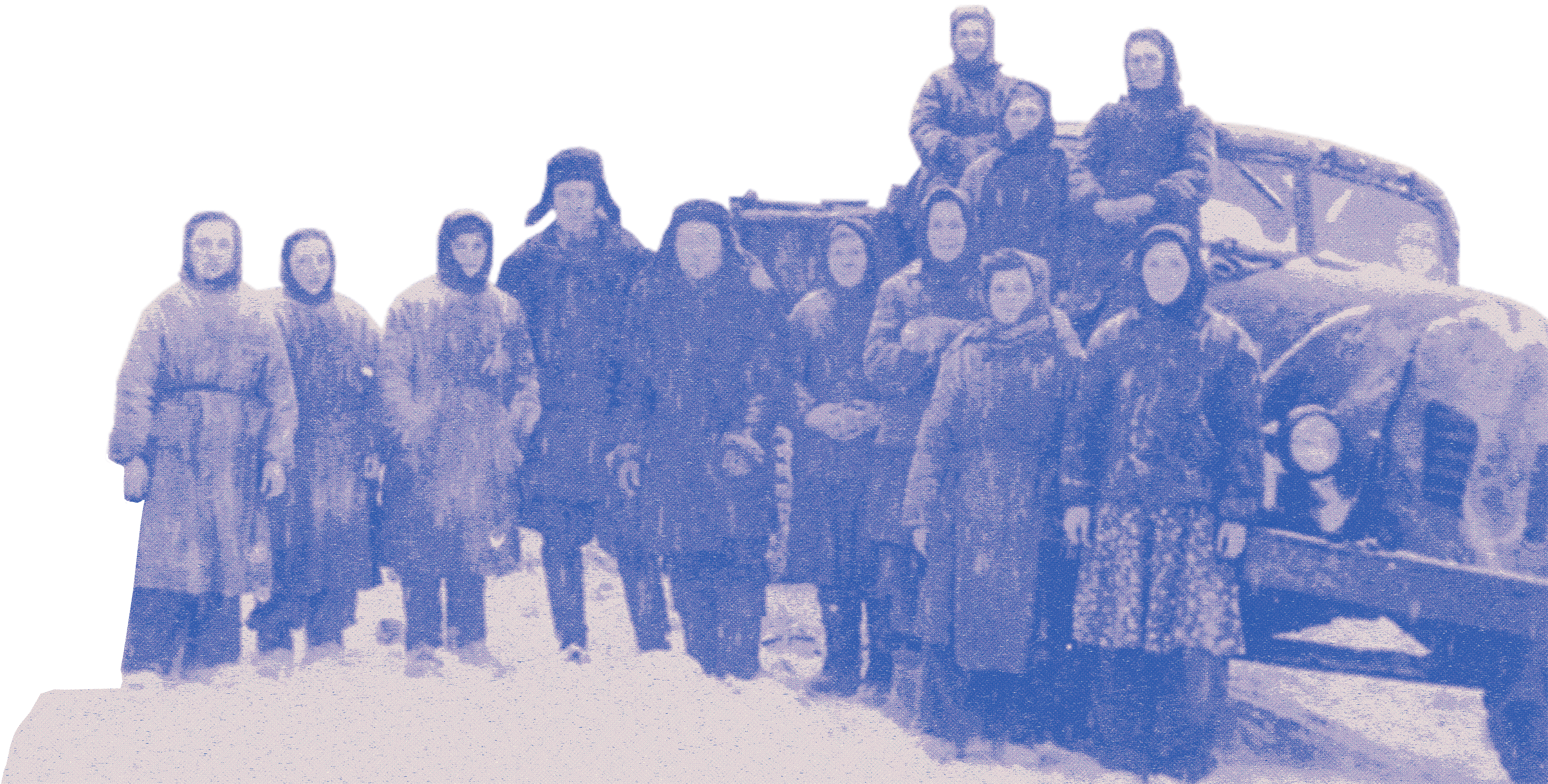
The harrowing brutality of 1944 remains a global historical tragedy, officially recognised as genocide in many countries (Richardson 2024). In May of that year, just one week after liberating Crimea from German forces, Soviet authorities orchestrated the forced deportation of the Crimean Tatar population to Central Asia (Hamarniuk 2015). The operation was conducted with extreme speed using overcrowded cattle cars, lacked adequate provisions, and resulted in the forced separation of families (Abdulaieva 2025). According to the Crimean Tatar National Movement, 238,500 people were deported, 86.4% of whom were women and children (Consulate of Ukraine in Edinburgh 2016). Up to 46% of the population perished during the deportation and subsequent years of exile (Abdulaieva 2025). It was not until 1989 that the Supreme Soviet of the USSR recognised the deportation as illegal and criminal (ibid.). In the following years, Moscow encouraged the resettlement of nearly 30,000 Russian (73%) and Ukrainian (26%) households to replace the indigenous population (Kononirenko 2017, p. 58–62).
23 YEARS OF INDEPENDENCE
While the first Kurultai took place in 1917, the second assembly was held on June 26, 1991, shortly before the Soviet collapse (Abdulaieva 2025). Two months later, following Ukraine's independence on August 24, over 200,000 Crimean Tatars returned home in one of the community's largest waves of repatriation (OSCE 2013, 11). Since then, Ukrainian interaction with the Tatars has been split between two fundamentally different eras: pre-2014 and post-2014.
In the years following independence, Ukraine's political elite largely ignored the Crimean issue and thus failed to see the emerging collision of Russian and Ukrainian cultures (Kravets 2024). Ukraine remained politically and value-dependent on Russia, leading to inadequate policies toward the Crimean Tatars. A rare positive development was President Kuchma's 2003 initiative to prepare for the 60th anniversary of the genocide (Radio Svoboda 2003). While Kuchma was later remembered as a 'friend of the Tatars' (Obozrevatel 2010), relations shifted under Viktor Yushchenko and worsened significantly under Yanukovych, whose administration conducted ethnic purges within local governments (Osman 2014).
TURNING POINT: THE 2014 OCCUPATION AND MODERN RESISTANCE
On February 20, 2014, Russia began its occupation of Crimea (Krukowska et al. 2023/2025). In response, the Ukrainian Parliament passed a 2014 resolution guaranteeing the rights of the Crimean Tatars, recognising the Mejlis (parliament analogue) and Kurultai as representative bodies, and protecting their right to self-determination within Ukraine (Belitser 2016, 86). Further legislation restored the rights of deported persons and officially recognised the genocide, a strategic response to the renewed repressions of Russia in Crimea against the indigenous population (Belitser 2016, 87).
The mass repression since 2014, particularly following the 2022 invasion, is extensively documented (Belitser 2016, 93–99; Solomko 2024; Kotovych 2024/2025; Abdulaieva 2025). Approximately 50,000 Crimean Tatars have fled the peninsula due to religious persecution and disproportionate conscription; in some villages, up to 70% of men received summons (Solomko 2024). PACE (2016) Resolution 2112 recognised these systematic violations of rights. Between February and September 2022 alone, Russian forces conducted 25 searches and 108 detentions, with Crimean Tatars making up 104 of the 138 individuals arrested for opposing the occupation (Abdulaieva 2025).
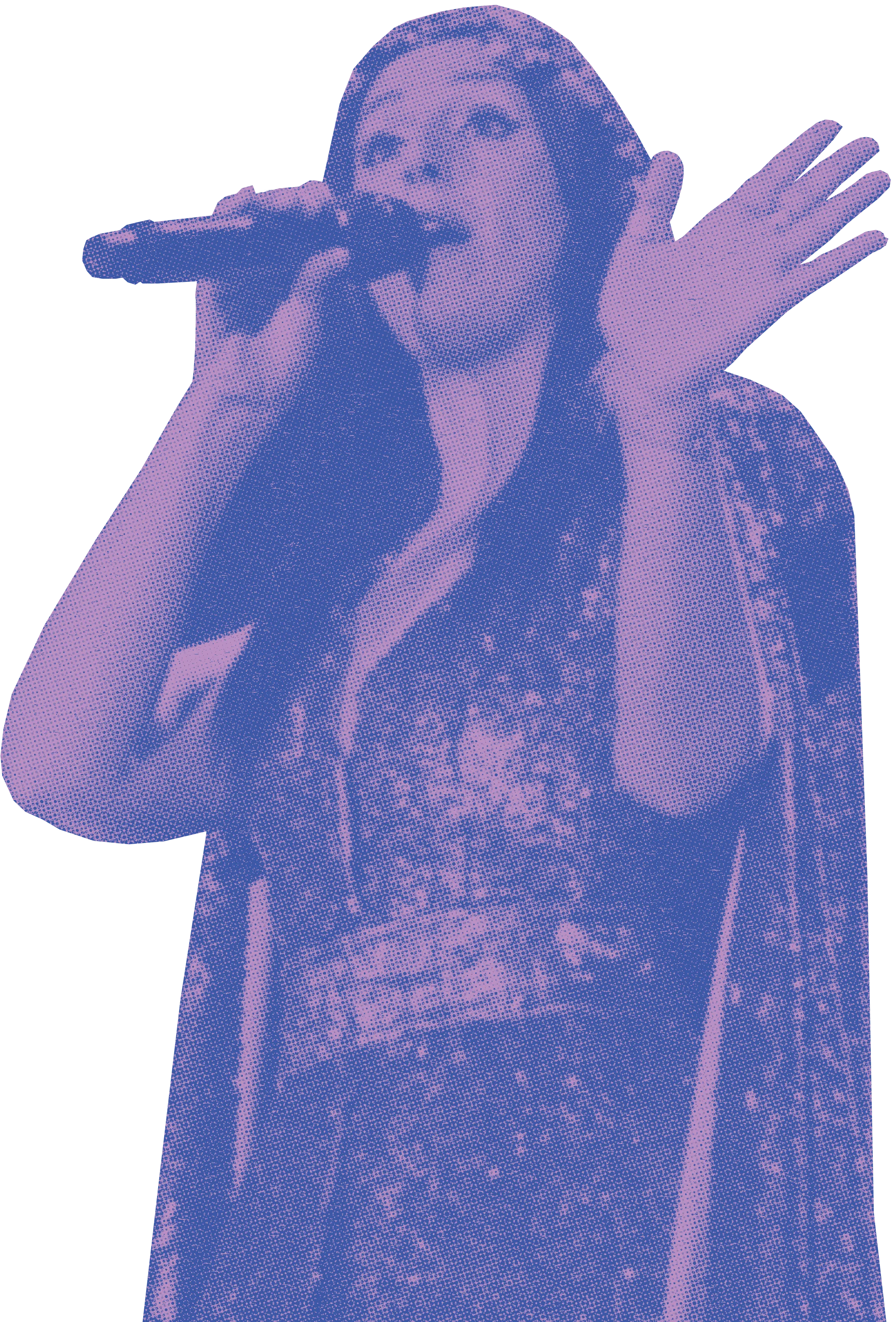
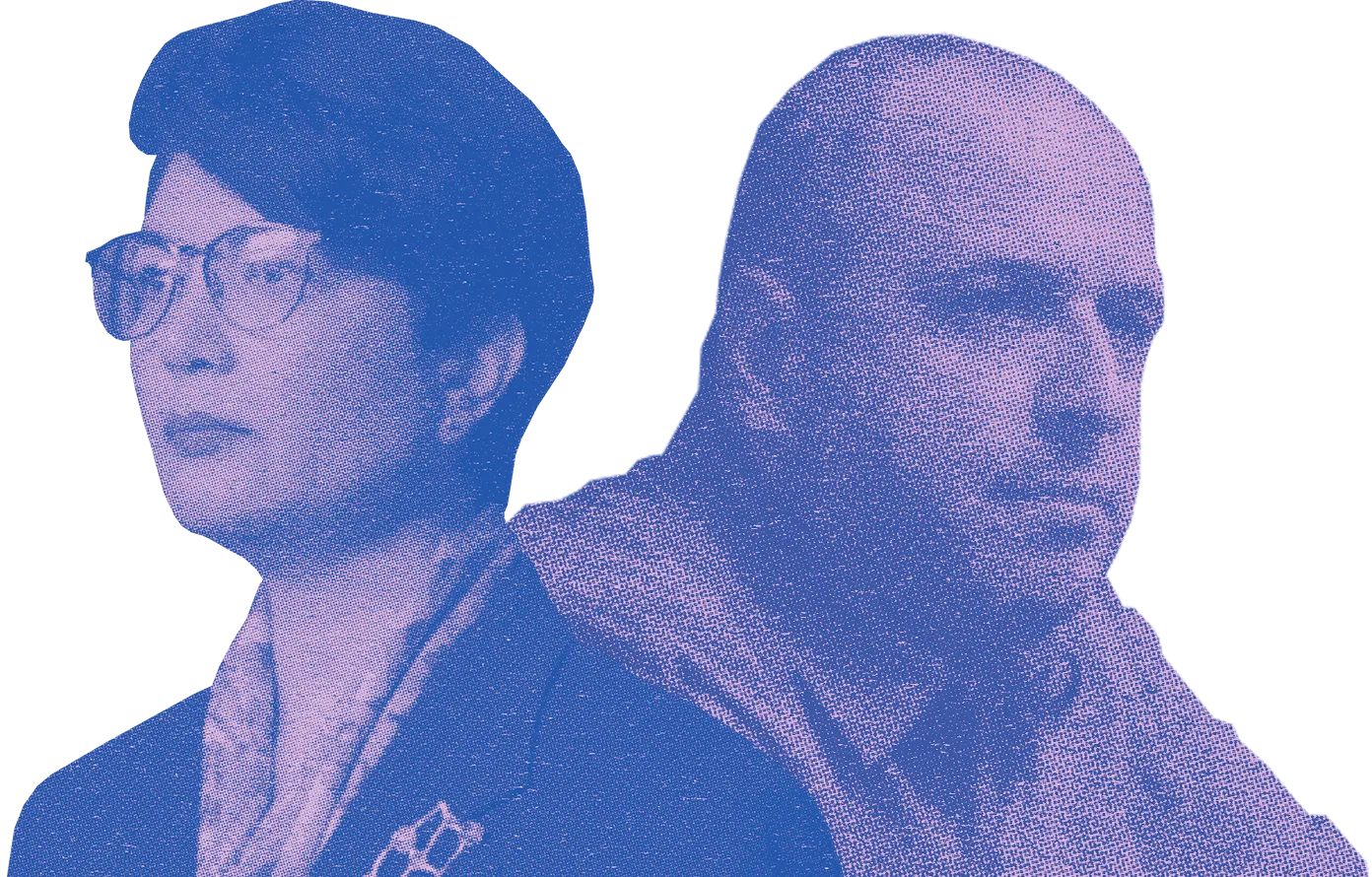
In contrast, on mainland Ukraine, the community thrives. Jamala's 2016 Eurovision victory brought their culture to a global stage (Horban 2019/2025). Today, Crimean Tatars freely practice their culture, language, and religion, and open businesses that introduce Ukrainians to their heritage (ibid.). The 2021 Law on Indigenous Peoples officially recognised them alongside Karaites and Krymchaks (Verkhovna Rada of Ukraine 2021). High-profile figures such as Tamila Tasheva, who represents the Crimean Tatar community at the presidential level (Kotovych 2024/2025), and Rustem Umerov, former Minister of Defence of Ukraine (2023–2025), illustrate this representation.
Initiatives like the Crimea Platform (Abdulaieva 2025) and the 2025 Congress of Indigenous Peoples serve as critical tools for policy planning for after de-occupation (Yanko & Chornovalova 2025). Furthermore, Crimean Tatars serve in the Ukrainian Defence Forces (Solomko 2024), and international conferences highlight the connection between Ukraine and the Global South through Crimea's Islamic heritage (Kotovych 2024/2025).
FUTURE PERSPECTIVES
It is difficult to speak with any certainty about the future in Ukraine, including the prospects for the Crimean Tatars, due to the war. Global experience regarding interaction with indigenous populations is extensively diverse (Belitser 2016, 45–53), and should be drawn upon by Ukraine, as such a status requires significant state protection. A great example of this preservation could be the creation of adequate state-funded representative bodies that can influence local decision-making.
Presently, various scenarios exist for final peace agreements, in which the question of Crimea is especially sensitive. In a scenario of prolonged occupation of Crimea, or a US-pushed proposal regarding Ukraine's official renunciation of Crimea (Sabbagh & Savage 2025), the Crimean Tatars would lose a range of opportunities. This is because the Ukrainian law on indigenous peoples defines certain advantages that can only be realised on the Crimean Peninsula, or specifically in Sevastopol (Verkhovna Rada of Ukraine 2021, 1–2).
Now, there are no such discussions within Ukrainian society, as they would contradict the widely accepted understanding of Ukraine's state sovereignty. While ideas regarding actions following de-occupation are being explored, alternative scenarios are currently not under consideration. However, establishing such a dialogue would carry practical value for developing future internal policies concerning Crimean Tatars already on Ukrainian territory, as well as the potential repatriation of the peninsular population to the mainland should such a request arise. Ukraine, recognising the Crimean Tatars as its indigenous people, must consider protection options even following a potential loss of territory, as this is the only way to ensure the preservation of this community.
CONCLUSION
Historically, Russia has fabricated myths about Crimean Tatar origins and their relations with Ukrainian Cossacks, using the Khmelnytsky case to serve imperial interests. At the same time, the Crimean Tatars' history, status, and future remain highly politicised. Having survived multiple occupations, the 1944 genocide, and prolonged exile, the Crimean Tatars preserved a unique Muslim culture and are now officially recognised by Ukraine as an Indigenous people, which entails specific state obligations. Since 2014, Ukraine has adopted a value-based approach to protecting Crimean Tatar rights and culture, in stark contrast to Russian repression. Given ongoing discussions about potential war settlements and the possibility of prolonged occupation, Ukraine must develop a long-term strategy to protect the Crimean Tatars and ensure their survival and political representation under any future scenario.

BIBLIOGRAPHY
Abdulaieva, G. 2025. "The Deportation of the Crimean Tatars: A Crime That Continues". https://www.ukrainer.net/deportatsiia-krymskykh-tatar/
Beketova, E. 2025. "Behind the Lines: Crimean Tatars Battle to Save Their Language". Centre for European Policy Analysis. https://cepa.org/article/behind-the-lines-crimean-tatars-battle-to-save-their-language/
Bekirova, G., Ivanets, A., Tyshchenko, Y., Hromenko, S., & Ablaiev, B. 2020. "History of Crimea and the Crimean Tatar People". Krymska Rodyna; Maister Knyh. https://shron1.chtyvo.org.ua/Bekirova_Hulnara/Istoriia_Krymu_ta_krymskotatarskoho_narodu.pdf
Belitser, N. 2016. "The Crimean Tatars as an Indigenous People: History of the Issue and Contemporary Realities". Pylyp Orlyk Institute of Democracy. https://idpo.org.ua/wp-content/uploads/2017/ct-book.pdf
Consulate of Ukraine in Edinburgh. 2016. "72nd Anniversary of the Deportation of the Crimean Tatars". Ministry of Foreign Affairs of Ukraine. https://edinburgh.mfa.gov.ua/news/47478-72-a-richnicya-deportacji-krimsykih-tatar
Dostim, E. 2015. "Population Census in Crimea: Why the Number of Russians Increased, and Ukrainians Decreased". Radio Free Europe/Radio Liberty. https://ua.krymr.com/a/26918423.html
Gabrielyan, O. A., Efimov, S. A., Zarubin, V. G., Kislyi, A. E., Malgin, A. V., Nikiforov, A. R., Pavlov, V. M., & Petrov, V. P. 1998. Crimean Repatriates: Deportation, Return, and Resettlement. Amena Publishing House.
Hamarniuk, N. 2015. "The Deportation of the Crimean Tatars in the Memories and Diary Entries of Eyewitnesses". Military-Historical Meridian. Electronic Scientific Professional Journal, Issue 3 (9).
Horban, D. 2019, 2025. "Crimean Tatars: Who are They?" Ukrainer. https://www.ukrainer.net/krymski-tatary/
Hrabovskyi, S. 2006. "The Küçük Kaynarca Peace Treaty: Myths and Realities". Radio Free Europe/Radio Liberty. https://www.radiosvoboda.org/a/946300.html
Kononirenko, V. A. 2017. "The Removal of Collective Farmers from Russia and Ukraine to the Post-Deportation Territory of Crimea in 1944–1953". Izvestiya of Saratov University, Series: History. International Relations, 17(1).
Kotovych, D. 2024, 2025. "Tamila Tasheva. Pravozakhysnytsia, Yaka Stala Holosom Krymu" ("Tamila Tasheva. The Human Rights Activist who Became the Voice of Crimea"). Ukrainer. https://www.ukrainer.net/tamila-tasheva/
Kravets, I. 2024. "Crimean Tatars Understood Ukraine Before Ukraine Understood Itself". Zaxid.net. https://zaxid.net/krimski_tatari_zrozumili_ukrayinu_ranishe_nizh_vona_sama_zrozumila_sebe_n1586307
Krukovska, I., Yabluchna, A., & Ponedilok, N. 2023, 2025. How Russia Captured Crimea. Ukrainer. https://www.ukrainer.net/rosiia-krym/
Obozrevatel. 2010. "The Greatest Friend of the Crimean Tatars was Kuchma". https://www.obozrevatel.com/ukr/culture/64731-najbilshim-drugom-krimskih-tatar-buv-kuchma.htm
Organisation for Security and Co-operation in Europe (OSCE). 2013. "Integration of Previously Deported Persons in Crimea, Ukraine". https://www.osce.org/sites/default/files/f/documents/c/c/104418.pdf
Osman, D. 2014. "Crimean Tatars and Ukraine: Working on Mistakes". Krymr.com. https://ua.krymr.com/a/26529110.html
Parliamentary Assembly of the Council of Europe (PACE). 2016. "The Humanitarian Concerns with regard to People Captured During the War in Ukraine (Resolution 2112)". https://pace.coe.int/en/files/22750/html
Pilipchuk, Y. 2015. "The Crimean Khanate and Europe in the Period 1648–1682". Crimean Historical Review, 2.
Pochekaev, R. 2019. "Legal Aspects of Relations Between the Crimean Khanate and the Ottoman Empire Through the Eyes of European Contemporaries". Crimean Historical Review, 2.
Radio Svoboda. 2003. "President of Ukraine Leonid Kuchma Signed the Decree 'On the 60th Anniversary of the Deportation of Crimean Tatars and Persons of other Nationalities from Crimea'". https://www.radiosvoboda.org/a/907711.html
Richardson, J. 2024. "Time to Recognise the Crimean Tatar Genocide". Lowy Institute. https://www.lowyinstitute.org/the-interpreter/time-recognise-crimean-tatar-genocide
Sabbagh, D., & Savage, C. 2025. "Zelenskyy says Ukraine cannot accept US recognition of Crimea as Russian". The Guardian. https://www.theguardian.com/world/2025/apr/24/zelenskyy-says-ukraine-cannot-accept-us-recognition-of-crimea-as-russian
Shurkhalo, D. 2021. "370 years ago: The 'Battle of Nations' near Berestechko". Radio Free Europe/Radio Liberty. https://www.radiosvoboda.org/a/bytva-pid-berestechkom/31353925.html
Sizarev, K. 2020. "The Formation of a System of Power and Administration in the Crimean Khanate During the 15th–18th centuries". Crimean Historical Review.
Solomko, V. 2024. "Now We are Fighting Not Just for Territory, but for the Right to Live on Our Land" – Interview with Refat Chubarov. Holos Ameryky. https://www.holosameryky.com/a/interview_chubarov_crimea_tatar/7586702.html
United Nations. n.d. "Universal Declaration of Human Rights – Crimean Tatar". OHCHR. https://www.ohchr.org/en/human-rights/universal-declaration/translations/crimean-tatar
Verkhovna Rada of Ukraine. 2021. "On the Indigenous Peoples of Ukraine (Law No. 1616-IX)". https://zakon.rada.gov.ua/laws/show/1616-20
Yanko, H., & Chornovalova, V. 2025. "The Congress of Indigenous Peoples has Started in Kyiv: Occupation, Rights, Resistance, and the Future of Crimea". Suspilne Crimea. https://suspilne.media/crimea/1178804-u-kievi-startuvav-kongres-korinnih-narodiv-okupacia-prava-sprotiv-i-majbutne-krimu/
Images used: Jean Thibaut (French): Battle of Beresteczko 1651, relief at Abbaye de Saint-Germain-des-Prés in Paris on Wikipedia Commons, CC BY 3.0, https://creativecommons.org/licenses/by/3.0/deed.en, www.memory.gov.ua on Wikipedia Commons, CC BY-SA 4.0, https://creativecommons.org/licenses/by-sa/4.0/deed.en, Alina Vozna on Wikipedia Commons, CC BY-SA 4.0, https://creativecommons.org/licenses/by-sa/4.0/deed.en, president.gov.ua on Wikipedia Commons, CC BY 4.0, https://creativecommons.org/licenses/by/4.0/deed.en, Ministry of Defense of Ukraine on Wikipedia Commons, CC BY 4.0, https://creativecommons.org/licenses/by/4.0/deed.en