THE CHRISTMAS OF UKRAINE FOR THE WORD
OLESANDR SHTEPAN
There are moments in history when time ceases to be exclusively a continuous chronological sequence (chronos), and a moment of vertical interruption appears in it. The Ancient Greeks called such moments kairos: a qualitatively charged moment in time that requires decisive action. In kairotic time, delay is no longer neutral, and historical activity becomes inevitable. In this sense, history is not simply recorded or interpreted but actively shaped by actions taken at a critical moment.
WE ARE LIVING IN SUCH A MOMENT NOW
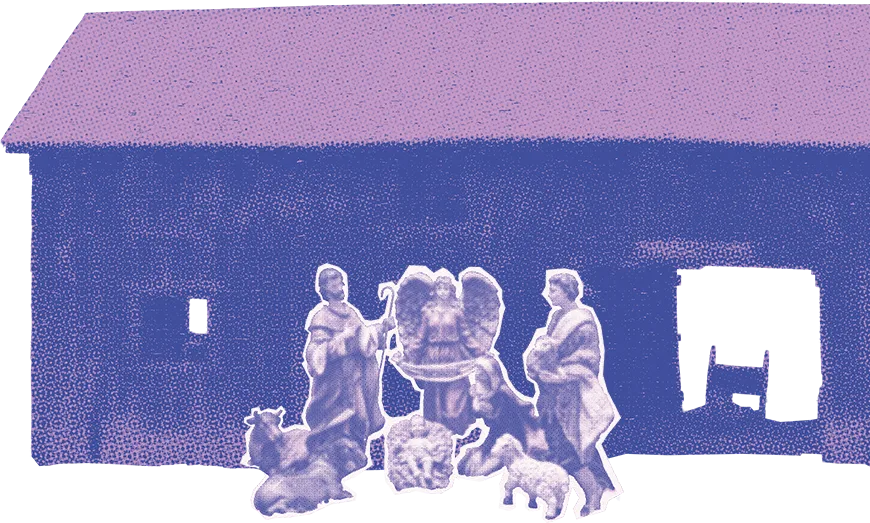
Ukraine stands today where all of Europe stood at its own birth: vulnerable and threatened, but profoundly alive. This is Ukraine’s Christmas — not a moment of comfort, but of incarnation. Life is born not in palaces, but in stables; and tyrants, like Herod, search for it to destroy it. To live under the constant sightline of death is not a metaphor for Ukrainians — it is a daily reality. And yet, this is precisely the space in which identity is clarified, values are sharpened, and meaning emerges.
Europe is making a choice: whether to be present now in history’s creation, or to retreat once again into concern, neutrality, and “strategic ambiguity”. This manifesto argues that establishing Ukrainian Studies at the world’s leading universities and cultural institutions is not an academic luxury but a strategic necessity for Europe’s survival, moral coherence, and intellectual decolonisation.
WHY DO WE HAVE TO ACT NOW?
So why is Ukrainian Studies necessary right now? Ukraine is not a “conflict”. It is not a “grey zone between Russia and Europe”. And it is not a “post-Soviet space”. The Ukrainian people are a civilisational entity whose existence disrupts the imperial logic of Russia. That is why Russia has continuously sought to erase Ukraine — linguistically, culturally, historically. To leave scorched earth behind. After all, a free, European, democratic Ukraine is an existential trauma for the Russian imperial psyche. It is a phantom pain. And historically, the response to this pain has been genocide. They already did this in 1932–33 and 1947, and they continue the tradition of terror and elimination of Ukrainians and their cultural heritage today.
After the collapse of the Soviet Union, Russia and its sphere of influence shrank to its smallest size since the 18th century. Russia perceives NATO and the entire model of collective agreement as an existential threat. The fact that Ukrainians, until recently a “brotherly people”, have rejected Russian civilisation in favour of the West is a powerful and possibly fatal blow to the Kremlin. The annexation of Belarus and Ukraine and the incorporation of the Baltic and Central European countries, including Poland, into its sphere of influence are political goals of the Kremlin in its effort to push NATO as far away from its borders as possible.
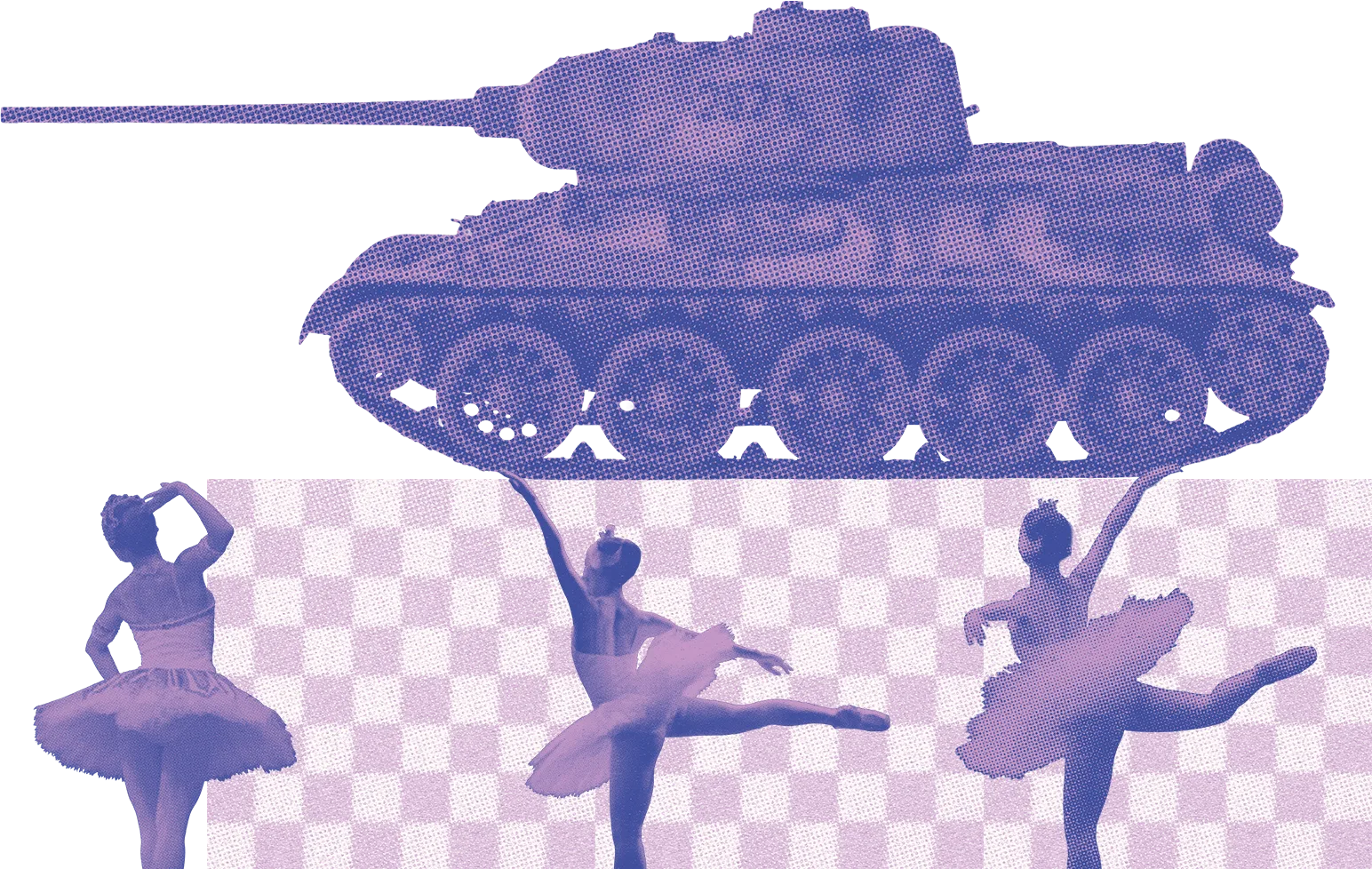
For decades, Europe failed to understand this — not because of a lack of evidence, but because of distorted interpretive frameworks. Russian imperial narratives dominated Slavic studies, cultural diplomacy, opera stages, philological departments, and analytical centres. ‘Great Russian culture’ functioned as a form of anaesthetic soft power, yet Russian tanks often followed immediately behind ballet pointe shoes. Ukrainian Studies dismantles this illusion.
A comprehensive study of Ukraine compels engagement with uncomfortable truths. First, that Russian imperial violence is not an aberration but a system. For years, Europe outsourced its understanding of Eastern Europe to Moscow, resulting in distortions and a profound misunderstanding of the problem’s essence. As a result, academic neutrality in the present moment can amount to complicity in the destruction of a European people before the eyes of the world.
Today, Ukrainian Studies represent an act of Europe’s intellectual self-defence and a guarantee of the preservation of Ukrainian identity. A nation is sustained not only by territory. It endures through language, memory, culture, and meaning. Russia understood this better than Europe. It recognized Ukraine as an ancient and integral nation. That is why the empire banned the Ukrainian language and Ukrainian publishing, executed intellectuals, starved peasants to death, and abducted and reeducated Ukrainian children into mankurts who lost their native roots. The strategy was simple: destroy historical memory, and the nation will dissolve in time.
Language is not a tool but a treasury — a repository of historical experience. When language is destroyed, history is amputated. Ukrainian Studies is tasked with restoring what imperial violence sought to erase: historical consciousness materialised in language.
The global institutionalisation of Ukrainian Studies will demonstrate that Ukrainian culture is not a derivative of Russian culture, but self-sufficient and European; that Ukrainian history is not an appendix to Russian history and that Ukrainian identity is neither invented nor provisional.
This matters not only for Ukrainians, but for Europe itself. A Europe incapable of protecting the cultural sovereignty of one of its largest nations cannot credibly claim to be a community of values.

UKRAINIAN STUDIES AS STRATEGIC KNOWLEDGE THE WORLD NEEDS
Ukrainians are not merely victims of history. They are experts in how to survive under imperial rule. Over three centuries, Ukrainians have learned to adapt without surrender, to resist without losing their humanity, to create culture under the threat of total prohibition, to build horizontal democratic structures under vertical oppression, and to take to the squares in defence of dignity even when state institutions collapsed.
This is not abstract knowledge. It is lived experience — from Cossack councils and the traditions of Magdeburg Law, through the Holodomors and the Executed Renaissance, the dissident movement, the Maidans, and today’s existential war. In contrast, Russian political culture remains authoritarian and vertically subordinated, governed by carceral codes. It seeks a tsar, not a social contract. Ukrainians, by contrast, have always relied on the community, not the ruler.
Ukrainian Studies offer Europe a new optic — a way to understand authoritarianism, resilience, and democratic processes forged under pressure. At a time when Europe faces populism, disinformation, and democratic fatigue, this knowledge is not peripheral. It is vital.
THE UKRAINIAN DIASPORA AS A LIVING ECOSYSTEM
Ukrainian Studies did not survive the 20th century thanks to the state. It survived thanks to people. The Ukrainian diaspora in Canada, the United States, the United Kingdom, Germany, and Australia established institutions when Ukraine was unable to do so. The Harvard Ukrainian Research Institute (HURI), the Canadian Institute of Ukrainian Studies (CIUS), and the Ukrainian Free University in Munich (UFU) were all founded, financed, and sustained by
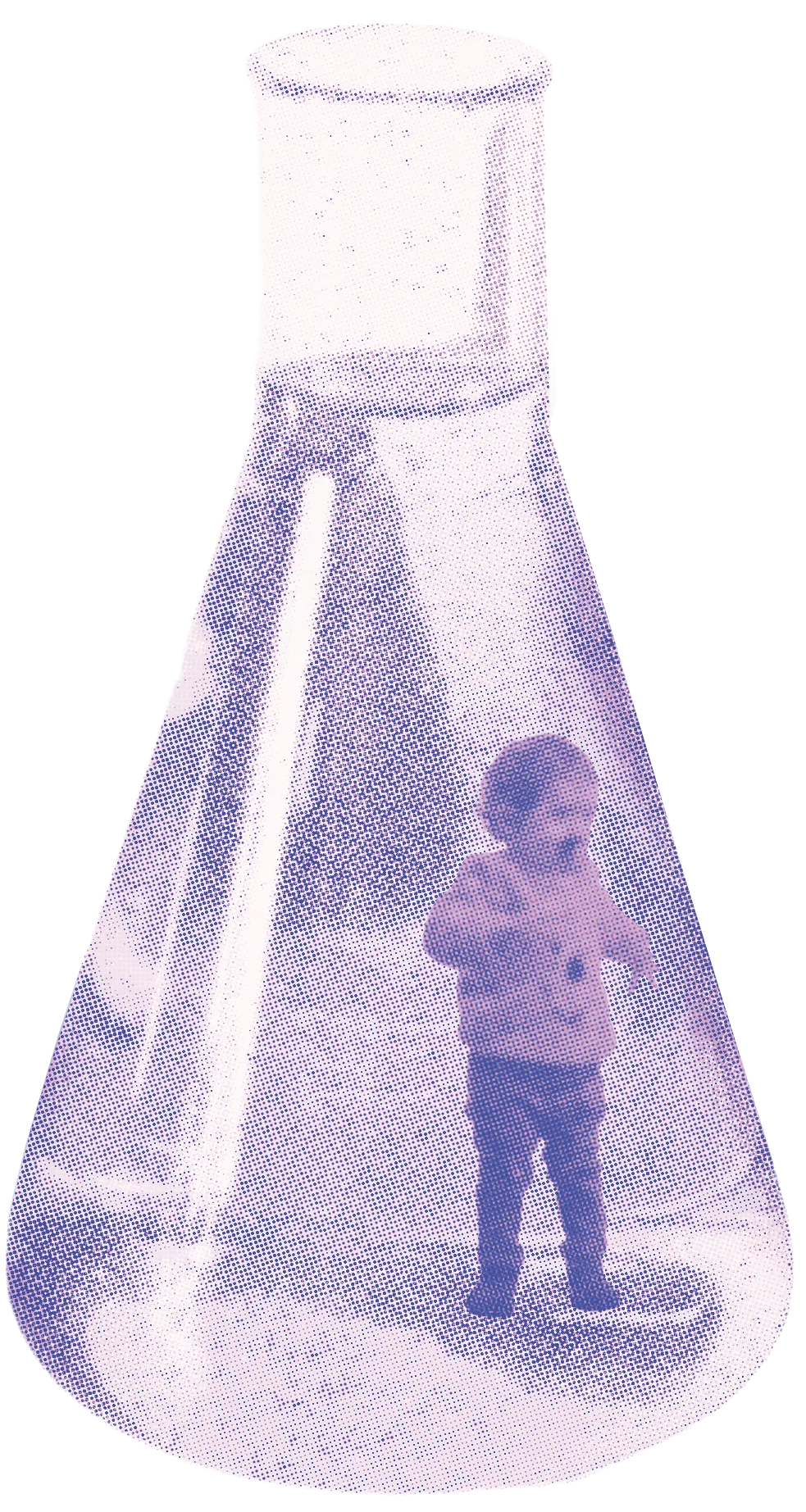
 communities that understood culture as a frontline. Today, Ukrainian Saturday schools across the United Kingdom and Europe are not nostalgic clubs. They are micro-laboratories of contemporary Ukrainian studies. Children from Mariupol, Kharkiv, and Kherson now study Ukrainian language, culture, and history in London, Nottingham, and Edinburgh. They not only process trauma but cultivate expertise. Ukrainians worldwide understand Russia not from textbooks, but from lived reality.
To exclude refugees from academic knowledge production is to waste the most authentic source of contemporary Ukrainian Studies. Universities must cease viewing Ukrainian refugees merely as beneficiaries and recognize them as co-creators of knowledge.

UKRAINIAN STUDIES AND THE DECOLONISATION OF KNOWLEDGE
For decades, the European academic community reproduced Russian imperial hierarchies: Russian literature as ‘universal’, Ukrainian as ‘regional’; Russian history as ‘state-building’, Ukrainian as ‘nationalist’. This was not scholarship but epistemic violence.
Ukrainian Studies is part of a global movement to decolonize knowledge — to dismantle the assumption that empires possess a monopoly on narrative. Just as African, Indigenous, and postcolonial studies reshaped global humanities, Ukrainian Studies compel Europe to confront its own blind spots.
This is not about cancelling Russian culture. It has already demonstrated its inability to restrain evil and crime, and today the cultural presence of Russians on the world stage serves more as an element of propaganda and evidence of the inert thinking and naivety of Western civilisation; moreover, it refuses to associate it with the brutal murders committed by the Russian authorities. The issue is ending Russia’s monopoly on knowledge.
The task is not boycott but displacement through the restitution of stolen and appropriated discoveries and names — for example, noted Ukrainian cultural activists Kazimir Malevich, Alexander Archipenko, and Sonia Delaunay — and through affirming that Ukrainian culture is as European as Polish, Czech, or German culture.
This is a pivotal moment — recognising Ukraine’s potential as an integral part of the European brand. This is a moment of deconstruction of imperial politics. After the collapse of the USSR, the influence of the KGB on the entire post-Soviet space remained virtually unchallenged. Hybrid information and political warfare affected two generations of Ukrainians — but on 24 February 2022, it all ended. For Ukraine, this war is a chance to break free from Russia’s imperial orbit. Once and for all. And this is Ukraine’s only chance to remain on the geopolitical map of the world. A change in narrative and a holistic paradigm of perceiving Ukrainian culture as part of European civilisation is needed. A better understanding of Ukraine’s political heritage and the inner energy of the Ukrainian people will accelerate the process of Ukraine’s integration into Europe. This ongoing war demonstrates the unbreakable spirit of Ukrainians, who not only perfectly understand the nature of evil, but also bravely resist it.
This manifesto states unequivocally: Ukrainian Studies represent a new model for the growth and modernisation of European security. The war in Ukraine is not regional. It is a Russian-European war, with Ukraine on the front line. The fall of Ukraine would mean the redrawing of European borders, the appearance of Russian troops near Poland, Hungary, and Romania, and the expansion of cooperation with authoritarianism and despotism. European liberal democracy would not survive a single day after Ukraine’s defeat. To understand Ukraine is to understand the logic of Russian escalation, the futility of ‘peace negotiations’ without deterrence, and the historical patterns of Russian deception. This new knowledge will be a cornerstone in a stronger Western diplomatic front.
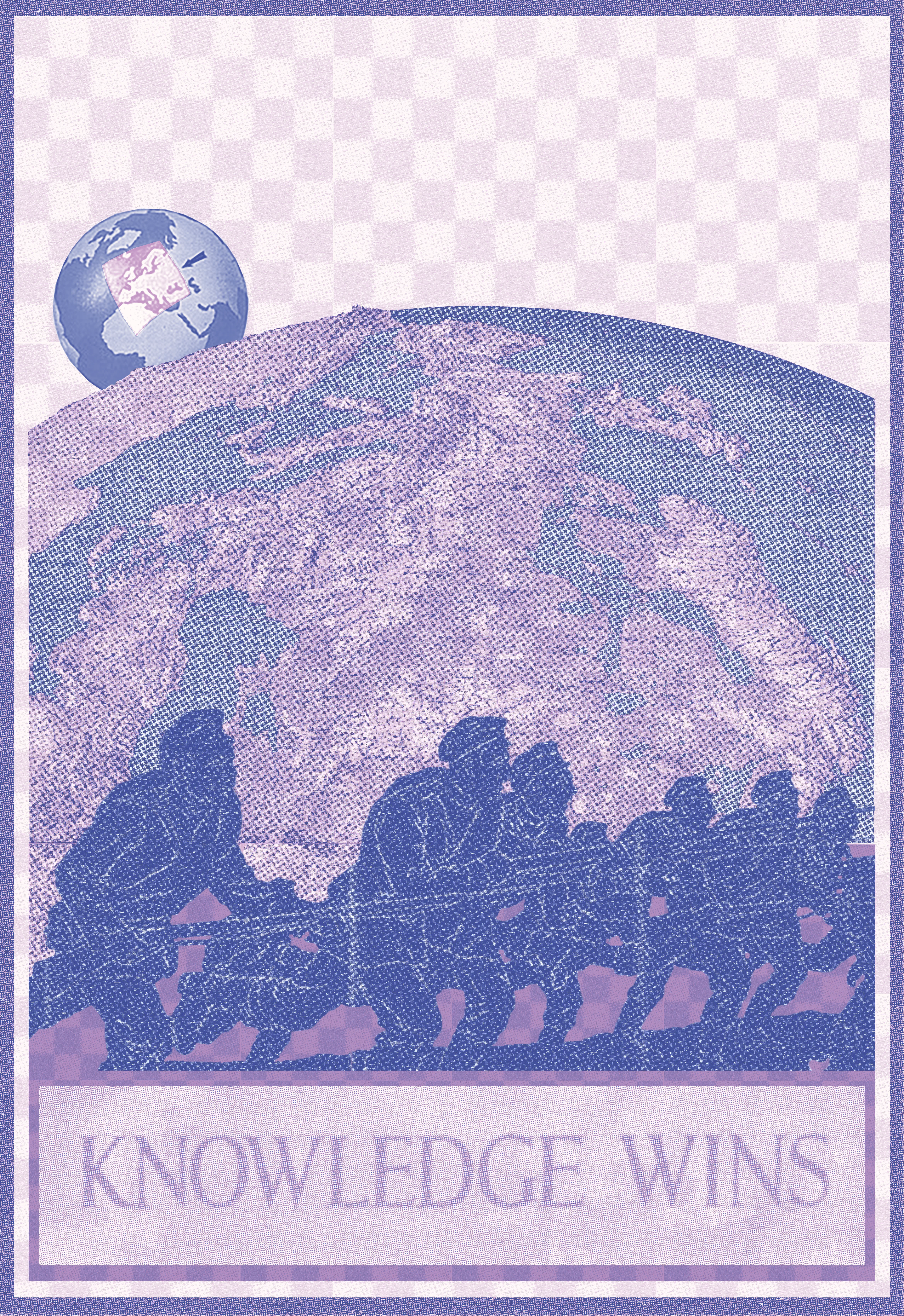
Ukrainians know these patterns. Ukrainians are the foremost experts on Russian imperial behaviour. Ignoring this knowledge is not shortsightedness but negligence. Russia will not survive defeat — and it will not retreat. Through defeat, Russia will destroy itself from within. This is why it is crucial to prevent their consolidation on the battlefield. Russia understands only the language of force.
UNIVERSITIES AS ETHICAL TUNING FORKS
Universities are not neutral marketplaces of ideas; they are moral institutions.
At decisive moments in history, universities either legitimise violence through silence or elevate courage through action.
The establishment of Ukrainian Studies at leading universities — with departments, research centres, language programs, scholarships for refugees, and partnerships with schools in the diaspora — is a test of academic integrity.
It signals that Ukraine is recognised as a subject, not an object; that knowledge will no longer pass through imperial filters and that culture is understood as a strategic domain of national security. Therefore, call upon universities and cultural institutions to:
1. Establish centres for Ukrainian Studies as independent, interdisciplinary units.
2. Create endowed professorships in Ukrainian identity, history, language, culture, and politics.
3. Integrate the Ukrainian language into full degree programs and specialisations.
4. Engage refugees and diaspora scholars as experts and instructors.
5. Build partnerships with Ukrainian Saturday schools and community organisations as living hubs of knowledge.
It is precisely at this decisive moment that a European Ukraine is being born — within a new, free family of nations. By studying Ukrainian studies worldwide, we are strengthening European unity together.